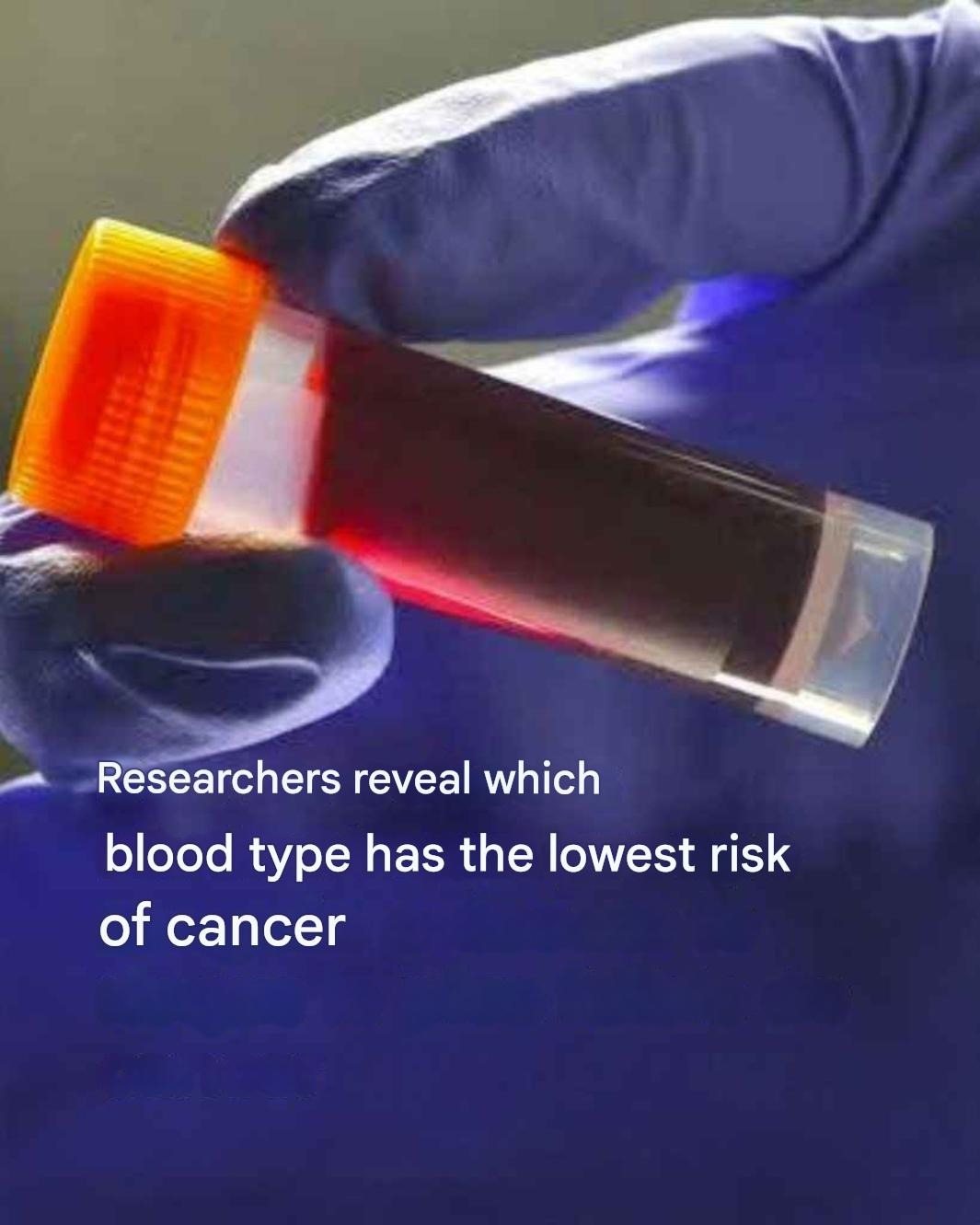
Iron: A Golden Lead in Cancer Research
Introduction: From Blood to Breakthroughs
Cancer research has long been shaped by unexpected discoveries. From antibiotics derived from mold to immunotherapies inspired by viral infections, progress often begins with simple biological observations. One such observation—quietly gaining attention—is the relationship between blood, iron metabolism, and cancer risk.
Blood is more than a transport system for oxygen and nutrients. It is a dynamic biological environment, rich in signaling molecules, immune cells, and metals—most notably iron. Iron is essential for life, yet potentially dangerous in excess. This paradox has placed iron at the center of a growing body of cancer research.
This article explores how iron biology intersects with cancer research, why blood characteristics matter, and how understanding iron metabolism could lead to new prevention strategies, diagnostics, and treatments.
The Biology of Iron: Essential but Dangerous
Continue reading…
