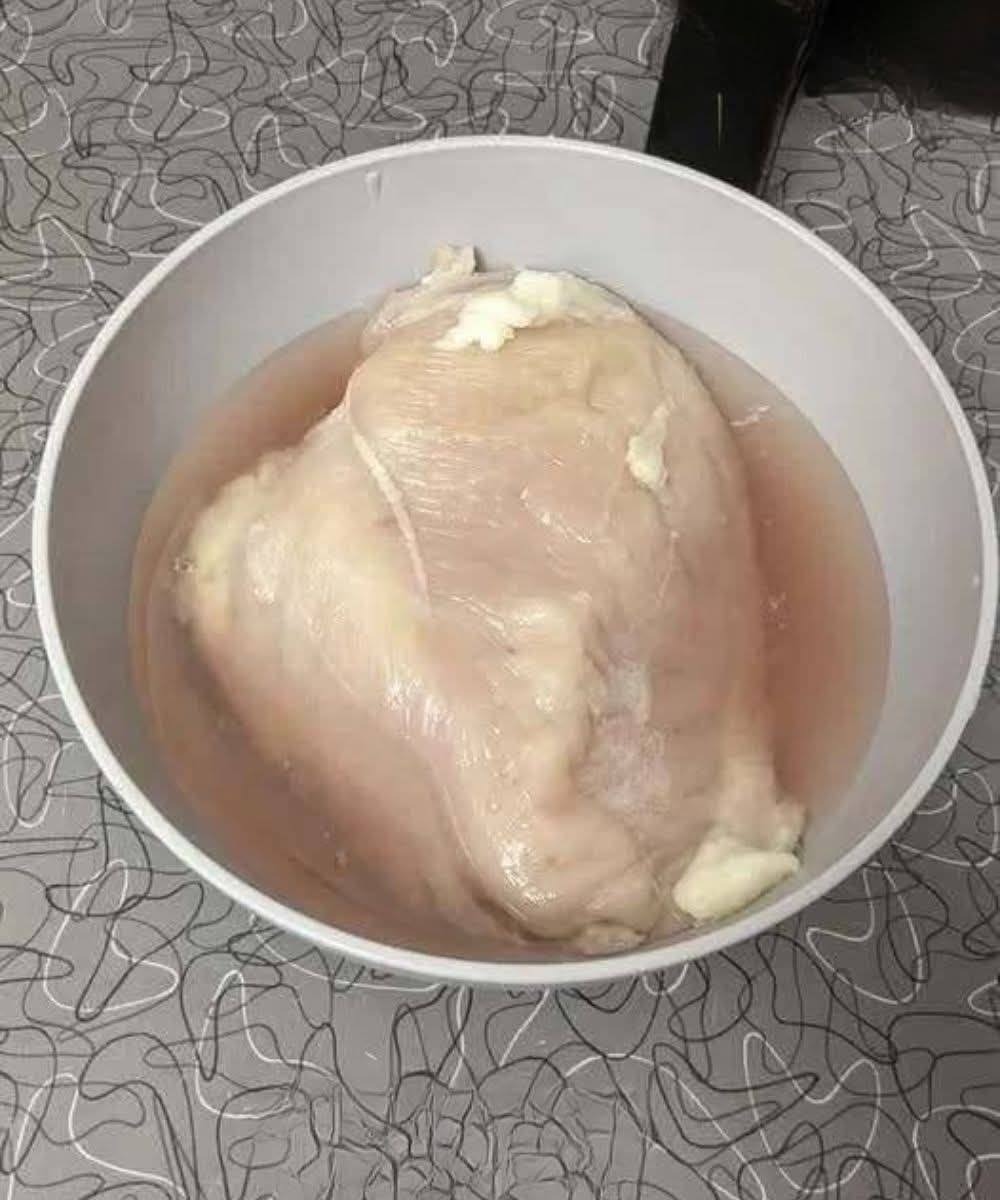
The term “danger zone” refers to the temperature range between 40°F (4°C) and 140°F (60°C). Within this window, harmful bacteria like Salmonella, E. coli, and Staphylococcus aureus multiply rapidly—doubling in number every 20 minutes under ideal conditions.
When cooked chicken or beef sits out too long in this range, it becomes a breeding ground for pathogens. And once these microbes multiply, they can produce toxins that may survive even reheating.
Why Chicken Is Especially Risky
- Poultry naturally carries harmful bacteria such as Salmonella and Campylobacter, which require thorough cooking to destroy.
- Even after proper cooking, recontamination can occur from unclean utensils, cutting boards, or airborne particles.
- Some bacteria produce heat-stable toxins—meaning that even if you reheat the chicken to steaming hot, those toxins remain active and can make you sick.
In short: just because it looks and smells fine doesn’t mean it’s safe.
How Long Is Too Long? The Two-Hour Rule
Continue reading…
