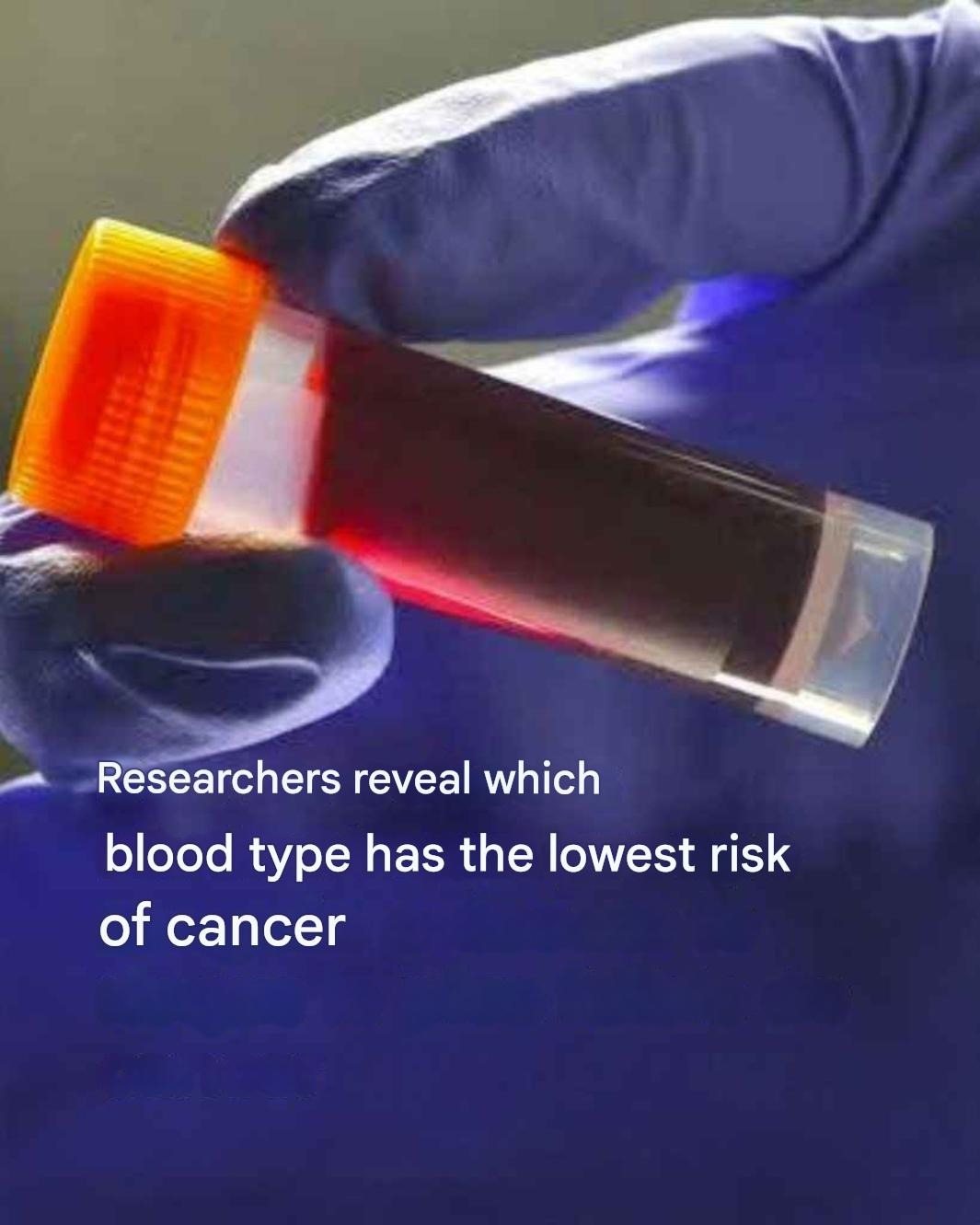
Some studies suggest that people with different blood types may exhibit subtle differences in:
- Iron absorption
- Ferritin levels
- Inflammatory markers
For example:
- Certain blood groups may have slightly higher average iron stores
- Others may show lower levels of von Willebrand factor, influencing clotting and inflammation
Important Clarification
- No blood type is “immune” to cancer
- Lifestyle, genetics, environment, and age remain far more important factors
Blood type research helps scientists identify biological patterns, not deterministic outcomes.
Iron Overload and Cancer Risk
One of the clearest links between iron and cancer comes from iron overload disorders, such as hereditary hemochromatosis.
Hemochromatosis
- Causes excessive iron absorption
- Leads to iron accumulation in organs
- Strongly associated with liver cancer
This condition provides compelling evidence that excess iron can promote carcinogenesis.
Even outside genetic disorders, high dietary iron—particularly heme iron from red and processed meats—has been associated with increased risk of colorectal cancer.
Iron Deficiency: Protective or Problematic?
If too much iron is dangerous, does low iron protect against cancer?
The answer is complex.
Potential Protective Effects
- Reduced oxidative stress
- Limited iron availability for tumor growth
Potential Risks
- Weakened immune surveillance
- Reduced DNA repair capacity
- Chronic inflammation due to anemia
Cancer risk appears to increase at both extremes, reinforcing the importance of iron balance, not deficiency.
Iron and the Immune System
The immune system plays a central role in preventing cancer by identifying and destroying abnormal cells.
- T-cell activation
- Macrophage behavior
- Cytokine production
Interestingly:
- Some immune cells restrict iron availability to starve pathogens—and potentially cancer cells
- Tumors may hijack immune iron pathways to suppress anti-tumor responses
Understanding this interaction is critical for immunotherapy research.
Iron Chelation: A New Therapeutic Strategy
Because cancer cells depend on iron, researchers are exploring iron chelators—drugs that bind iron and remove it from cells.
Examples
- Deferoxamine
- Deferasirox
Originally developed for iron overload disorders, these drugs have shown promise in:
- Leukemia
- Neuroblastoma
- Breast cancer models
Iron chelation may:
- Slow tumor growth
- Enhance sensitivity to chemotherapy
- Reduce resistance to treatment
Clinical trials are ongoing.
Ferroptosis: Iron-Driven Cell Death
One of the most exciting discoveries in recent years is ferroptosis, a form of programmed cell death driven by iron-dependent lipid peroxidation.
- Ferroptosis specifically requires iron
- Cancer cells with high iron levels are particularly vulnerable
Researchers are now developing therapies designed to trigger ferroptosis selectively in tumor cells, sparing healthy tissue.
This represents a major paradigm shift in cancer treatment.
Dietary Iron and Cancer Prevention
Diet remains one of the most modifiable cancer risk factors.
Key Distinctions
- Heme iron (red meat): more easily absorbed, associated with higher cancer risk
- Non-heme iron (plants): absorbed more slowly, influenced by other nutrients
Protective Dietary Factors
- Vitamin C (enhances balanced absorption)
- Polyphenols (tea, coffee, fruits)
- Fiber
- Antioxidants
Moderation—not elimination—is the current consensus.
Iron Biomarkers in Cancer Diagnosis
Iron-related markers are being investigated as potential tools for:
- Early cancer detection
- Prognosis
- Treatment monitoring
These include:
- Ferritin
- Transferrin saturation
- Hepcidin levels
Abnormal iron profiles may serve as warning signals, especially when combined with other clinical data.
Personalized Medicine and Iron Metabolism
The future of cancer care lies in personalization.
By integrating:
- Genetic data
- Iron metabolism profiles
- Tumor iron dependency
- Immune status
Clinicians may tailor treatments that exploit a tumor’s iron vulnerability.
This approach could:
- Improve treatment efficacy
- Reduce side effects
- Enhance survival rates
Public Misconceptions and Media Headlines
Simplified claims—such as certain blood types having the “lowest cancer risk”—often misrepresent the science.
Key Takeaways for the Public
- Cancer risk is multifactorial
- Blood type plays a minor role at best
- Iron balance matters more than blood group
- Lifestyle and screening remain critical
Scientific nuance rarely fits into viral headlines—but it saves lives.
Ethical and Global Considerations
Iron deficiency remains one of the most common nutritional problems worldwide, particularly in:
- Children
- Pregnant women
- Low-income populations
Cancer research must balance:
- Preventing iron overload
- Avoiding worsening global anemia
Public health policies must be context-specific and evidence-based.
The Road Ahead: Iron as a Research Frontier
Iron sits at the crossroads of:
- Metabolism
- Immunity
- Genetics
- Oncology
As researchers unravel its complex role, iron is emerging not merely as a risk factor—but as a therapeutic opportunity.
Future directions include:
- Iron-targeted drugs
- Ferroptosis-based therapies
- Iron-guided immunotherapy
- Precision nutrition strategies
Conclusion: A Golden Thread Through Cancer Biology
Iron’s story in cancer research is one of balance, complexity, and promise.
Too little iron weakens the body.
Too much iron fuels disease.
But understanding iron—how it moves, where it accumulates, and how cancer cells exploit it—may unlock powerful new ways to prevent and treat cancer.
In this sense, iron is more than a mineral.
It is a golden lead, guiding researchers toward a deeper understanding of cancer itself—and toward a future where biology’s most dangerous elements become medicine’s greatest allies.
