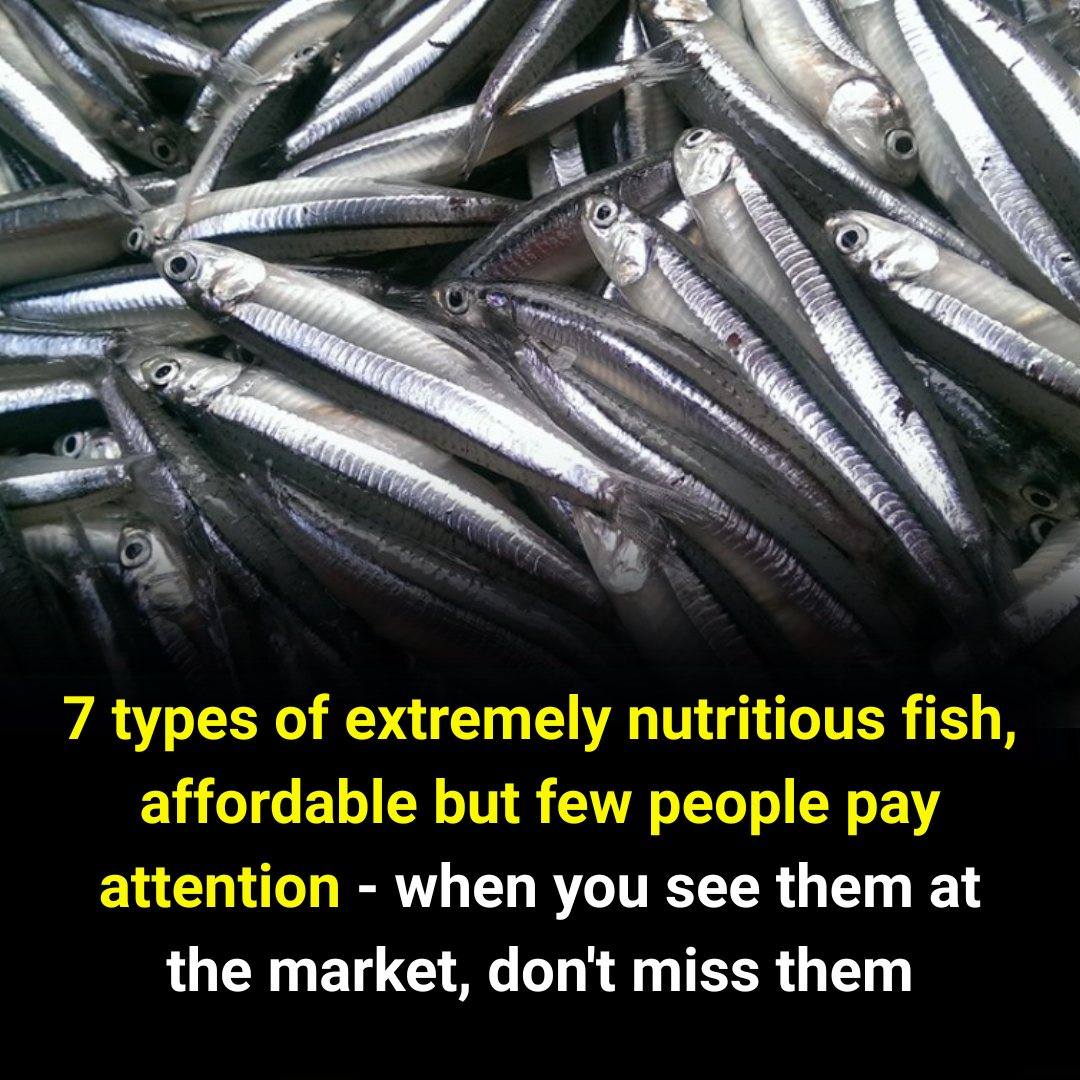
1. Anchovies
Small but incredibly nutritious, anchovies provide:
- High-quality protein
- Vitamins A and D
- Long-chain omega-3 fatty acids
- Essential minerals
Their tiny size also means lower mercury accumulation, making them one of the safest seafood options.
2. Tuna
- Lower cholesterol
- Reduced risk of atherosclerosis
- Brain support
- Improved circulation
- High vitamin B12 for red blood cell production
- Iron to help combat anemia
Tuna is especially helpful for older adults.
3. Mackerel
Fast-growing and nutrient-dense, mackerel contains:
- 21.4g protein per 100g
- Potassium for heart function
- Healthy fats for brain and nerves
Eating mackerel can help prevent:
- Cardiovascular disease
- Memory decline
- Type 2 diabetes
4. Sardines
Sardines are packed with:
- Omega-3
- EPA and DHA
- Vitamin D
- Calcium
- Protein
They support:
- Heart health
- Bone strength
- Reduced inflammation
Sardines are considered one of the most omega-3-dense foods on earth.
5. Cod
Cod is one of the healthiest, leanest fish available. It contains:
- Omega-3 and omega-6
- Vitamins B6, B12, E, A, C
- Selenium
- Phosphorus
- Potassium
Cod’s low calorie and high nutrient profile make it an ideal choice for weight loss.
6. Herring
- Brain-boosting fats
- Anti-inflammatory benefits
- High protein content
- Long-term storage through smoking or vacuum packaging
Herring supports memory, mood, and cardiovascular health.
7. Catfish
Catfish thrives in both freshwater and saltwater. Benefits include:
- Omega-3 for brain and heart
- High vitamin B12 to support DNA formation
- Strong immune support
- Improved eye health
It is a good, affordable source of clean protein.
WHO SHOULD AVOID OR LIMIT THESE FISH?
While these fish are nutritious, some individuals must be cautious.
1. Pregnant Women and Children (Certain Species Only)
They should avoid or strictly limit:
- Large tuna (albacore)
- King mackerel
- Certain catfish from polluted waters
Because of mercury sensitivity, the developing brain is extremely vulnerable.
Safe options: anchovies, sardines, cod, light tuna.
2. People With Seafood Allergies
- Hives
- Swelling
- Difficulty breathing
- Anaphylaxis
These individuals should avoid fish entirely unless medically supervised.
3. Individuals With Gout or High Uric Acid
Fish contains purines. Excessive intake can worsen:
- Gout flare-ups
- Joint inflammation
- Painful swelling
Low-purine fish like cod and catfish are safer options, but consumption should still be limited.
4. People Taking Blood-Thinning Medication
Omega-3 can naturally thin the blood. Combined with medications such as:
- Warfarin
- Aspirin
- Plavix
…it may increase the risk of bleeding.
Moderation is essential.
5. Those With Kidney Disease
High-protein foods, including fish, can stress weakened kidneys.
They should consult a nephrologist before increasing fish intake.
FINAL THOUGHT
Fish remains one of the most powerful health foods available – improving heart health, strengthening the brain, supporting immunity, and reducing inflammation. However, environmental pollution means we must choose carefully.
By selecting low-mercury, nutrient-dense species such as anchovies, sardines, cod, tuna, mackerel, herring, and catfish, you can safely enjoy the profound benefits of fish.
And by understanding who should avoid certain fish, you safeguard the health of your entire family.
