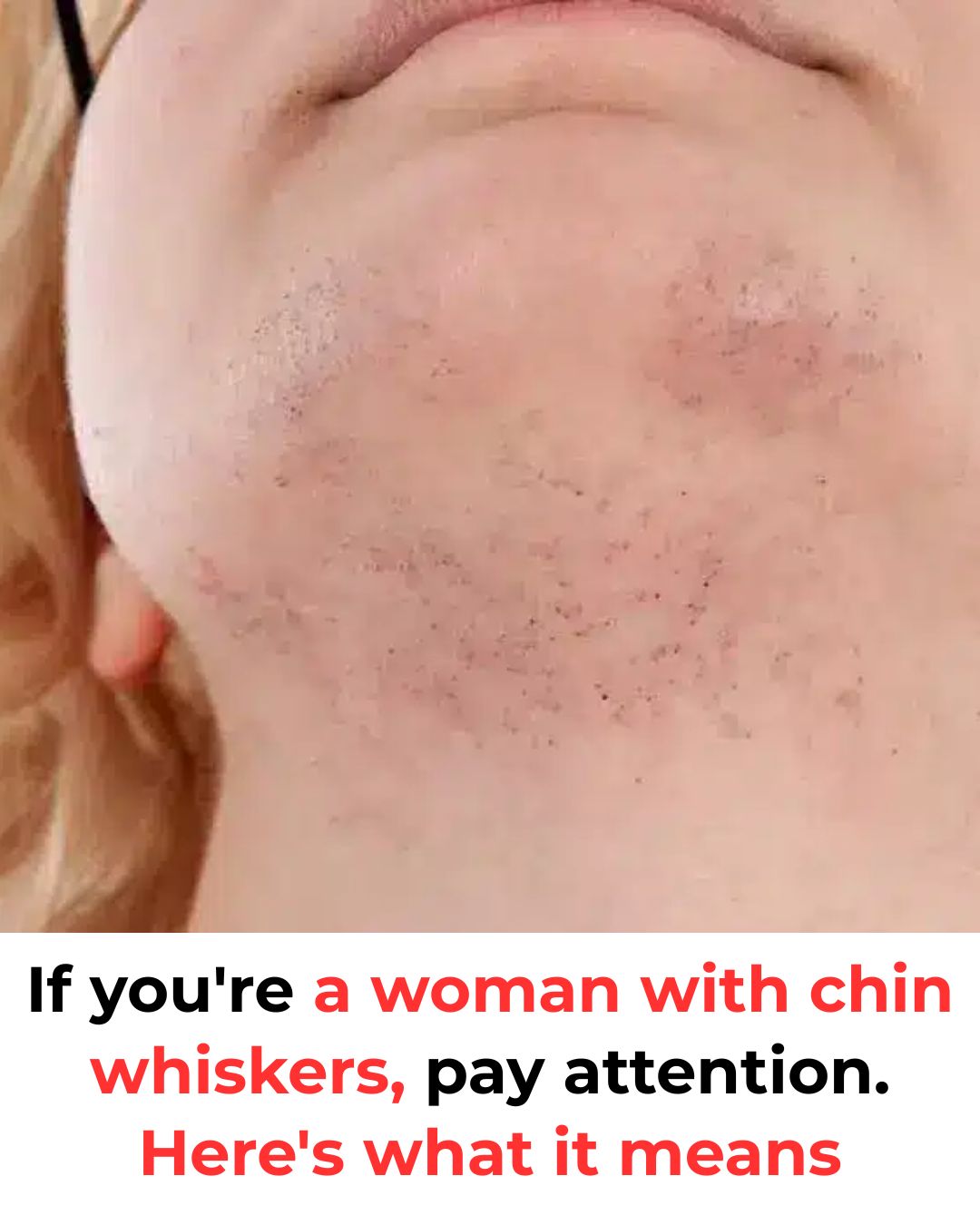
The most common cause is an increase in androgens (male hormones such as testosterone). Even though women naturally produce these hormones, higher levels can stimulate thicker, darker hair growth on the chin.
Conditions linked to hormonal imbalance include:
Menopause and perimenopause
Thyroid disorders
Adrenal gland conditions
2. Genetics
If women in your family have facial hair, you may be more likely to develop chin whiskers yourself. Ethnicity also plays a role, with some hair types being thicker or darker naturally.
3. Aging and Menopause
As estrogen levels decline with age, especially during menopause, the balance between estrogen and testosterone shifts. This can lead to increased facial hair growth, particularly on the chin and jawline.
4. Certain Medications
What Chin Whiskers Can Indicate About Your Health
Occasional chin hairs are usually harmless. However, sudden, excessive, or rapidly increasing growth may signal an underlying condition, especially if accompanied by:
Irregular menstrual cycles
Acne or oily skin
Weight gain
Hair thinning on the scalp
If you notice these symptoms, it’s wise to consult a healthcare professional for evaluation.
There’s no one-size-fits-all solution, but several safe and effective options are available depending on your preferences and skin type.
1. Temporary Hair Removal Methods
Tweezing: Ideal for a few stray hairs; inexpensive but can be time-consuming.
Shaving or dermaplaning: Quick and painless when done correctly; does not cause thicker regrowth.
Waxing or threading: Longer-lasting results but may irritate sensitive skin.
Hair removal creams: Convenient, but always patch-test first.
2. Long-Term Hair Reduction
Laser hair removal: Targets pigment in hair follicles; works best on darker hair.
Electrolysis: A permanent solution suitable for all hair colors, though it requires multiple sessions.
3. Addressing the Root Cause
If hormonal imbalance is the issue, managing the underlying condition can reduce hair growth:
Balanced nutrition and regular exercise
