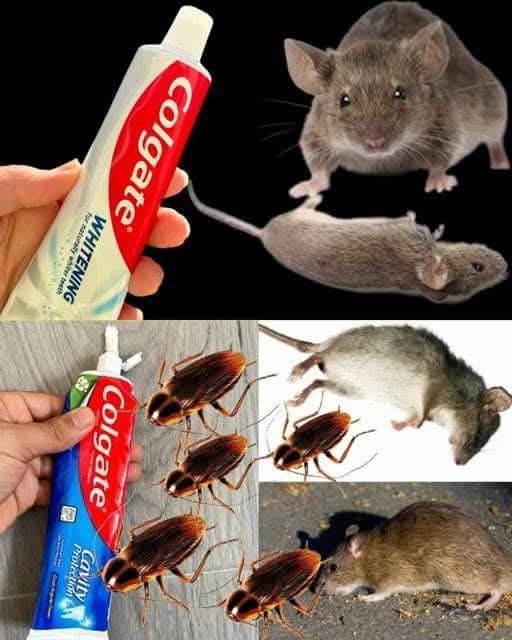
Why Toothpaste Can Affect Insects
Certain toothpastes contain ingredients like:
Baking soda
Mild abrasives
These elements can repel insects or interfere with their scent trails—especially ants, which rely heavily on smell to navigate. While toothpaste is not a professional insecticide, it may help reduce insect activity in small areas.
What This Method Is (and Isn’t)
✔ A low-cost, temporary deterrent
✔ Useful for small infestations
✘ Not a replacement for professional pest control
✘ Not effective for severe infestations
Step-by-Step Guide (Safe Household Use)
What You’ll Need
Plain white toothpaste (mint-based works best)
A small disposable lid or cardboard piece
Gloves (optional, for cleanliness)
Step 1: Identify Entry Points
Look for:
Cracks near walls
Under sinks
Around drains
Near trash bins or food areas
Step 2: Apply Small Amounts
Place pea-sized dots of toothpaste:
Along ant trails
Near cracks or corners
Behind appliances (not inside them)
Do not spread toothpaste on food surfaces or where pets can reach it.
Step 3: Observe and Clean
Leave in place for several hours or overnight
Wipe away residue the next day
Reapply only if needed
The scent may disrupt insect movement and discourage return.
Why This Works Better for Ants
Ants rely on chemical scent trails. Strong smells like mint can:
Confuse navigation
Break established trails
Encourage ants to relocate
Cockroaches may avoid the area but are more resilient, so results vary.
Important Safety Notes
❌ Never mix toothpaste with other chemicals
❌ Do not use near food preparation areas
❌ Keep away from pets and young children
